What We Can Learn From The Irreverent Comedian’s Nine-Year Journey of Redemption
7/7/26 – – Just before the holiday weekend, this headline in The Wall Street Journal caught my attention: “How Louis C.K. went from being an ‘outcast’ to landing a new Netflix special.” The article by style writer Elahe Izadi traced the comedian’s nine-year rebound from #MeToo casualty to featured presenter at last month’s Mark Twain Prize ceremony honoring Bill Maher at the Kennedy Center.
C.K.’s career journey illustrates many of the lessons in crisis recovery discussed in The Crisis Preparedness Quotient and this blog. We’ve been keeping an eye on the fallen funnyman since he announced his initial comeback tour in August 2021, four years after a New York Times investigation revealed his history of debasing behavior toward women.
Assessing his predicament at the start of his tour, I wrote:
“My guess is that Louis C.K. has a good chance to rebound. If you were a fan before his fall, you’ll probably consider buying a ticket when he comes to your town. You might encounter picketers when you arrive for the show, but you’ll give him a second chance to shock and entertain you.”
Determining the Severity of Reputational Crises
My optimism five years ago was based on patterns I’ve seen and been a part of over the course of my career. Typically, a comeback challenge’s degree of difficulty is determined by such variables as:
- the nature of the offense
- the pre-crisis reputation of the offender
- the adequacy of the offender’s response
- and the prevailing public mood (which is constantly evolving).
Let’s analyze each of these factors in C.K.’s case:
- Forcing colleagues (young female comedians) to watch you masturbate is no minor offense. It took a long time even for loyal fans to forgive such disgusting harassment.
- In C.K.’s favor, he was never thought of as a saint. Misogyny and weird behavior were recurring themes in his stand-up routines. (We’re not talking Franklin Graham or Mister Rogers!)
- His response was sincere. He apologized, was honest about his transgressions and never blamed the victims or questioned their honesty. He stepped back from his career, suffering significant financial loss.
- And in the four years since C.K.’s fall, the #MeToo movement had lost momentum, the isolating COVID pandemic was past its peak, and the dominance of cancel culture was waning.
The Four Stages of Reputational Redemption
Looking back over the nine-year arc of C.K.’s story, we can see he put in a lot of work, successfully passing through what I call the four stages of reputational redemption:
- PENANCE – – Defined as, “voluntary self-punishment inflicted as an outward expression of repentance for having done wrong,” meaningful penance is required as the first step toward forgiveness.
- PURGATORY – – Whenever a crisis involves shame, the element of time becomes an important issue. Before the public can forgive an individual, suffering and silence for some period of time are expected.
- PLATFORM – – One of the toughest challenges for someone trying to recover from disgrace or failure is regaining a meaningful platform on which to stage a comeback.
- PERFORMANCE – – You never fully regain your acceptance and standing until you’ve proven you can still perform; at least as well as you did before the storm.
In her Wall Street Journal article, Izadi traced C.K.’s journey:
“For C.K.’s part, he slowly rebuilt his career. First, he apologized for his behavior and promised to ‘step back and take a long time to listen.’ About nine months later, he surfaced to perform a 15-minute drop-in set at a New York comedy club he frequented. He eventually went back on tour, and using his email list, directly reached fans to sell out theaters. Without a major backer like Netflix anymore, he returned to self-releasing specials, such as his 2020 special ‘Sincerely Louis C.K.’ In it, he talked about the revelations about him but mostly about how the experience affected him.”
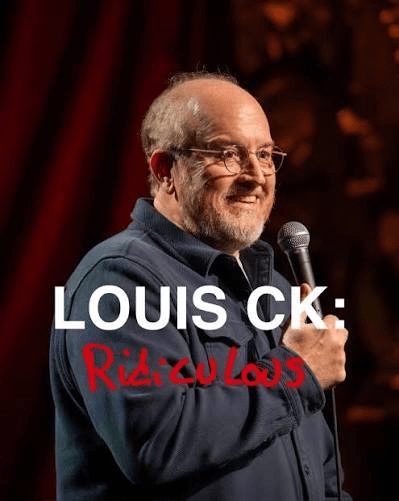
Having earned back his platform, C.K. is performing again on the biggest stages at the top of his game. “Sincerely Louis C.K” won a Grammy for best comedy album of the year. He’s selling out venues as large as Madison Square Garden. And his “Ridiculous” stand-up special is streaming on Netflix, the prized platform from which he was deplatformed nearly a decade ago.
Beware the Barrier of Betrayal
A final observation: Contrasting Louis C.K.’s successful comeback with failed attempts for redemption by other celebrities, we see how debilitating the hurdle of perceived betrayal can be.
While the irreverent comedian’s wrongdoings were not applauded by fans, I don’t believe they ever felt betrayed by his behavior. That’s not the case, for example, with Ellen DeGeneres, whose out-of-character treatment of her staff was counter to her super-nice identity and appeal, or Brian Williams, whose willingness to stretch the truth destroyed his reputation as one of America’s most trusted news anchors.
Most people would consider C.K.’s transgressions more serious than Williams’ or Ellen’s. But because of the sticky element of betrayal, they’re still seeking new platforms on which to perform.
Companies face a similar threat. We’ve seen the damage done when consumers believe they’ve been betrayed by brands they trust. Cracker Barrel, WeightWatchers and Bud Light (discussed in earlier blog posts) are examples of companies that turned off existing customers by doing or saying something that abandoned their character, purpose or promise. All three are still working on recovery from reputational crises.
As Louis C.K.’s experience demonstrates, reputational repair for individuals and companies requires hard work and the ability to perform if fortunate enough to regain a platform. And of course, his odyssey underscores the importance of avoiding the missteps and misbehavior that erode public trust.
There’s nothing funny about that.