Staying One Step Ahead of Forced Change is Good for Business
10/30/25 – – Saturday marks the 35th anniversary of McDonald’s announcement that it would no longer serve its hamburgers in plastic containers. The Golden Arches’ polystyrene “clamshell” packaging pleased consumers by keeping food warm but made environmentalists hot under the collar because of its contribution to land, sea and air pollution.
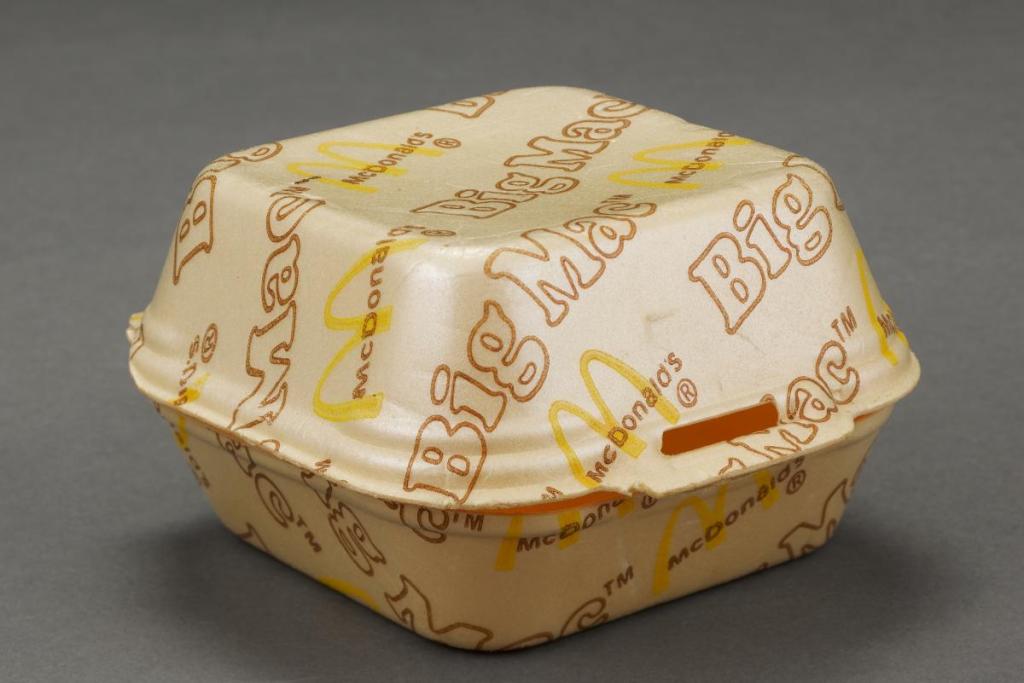
While this important date in fast-food history may not raise your temperature, it’s getting attention from business strategists and corporate communicators faced with contemporary sustainability and food safety challenges.
Why the Sudden Pivot to Paper?
Of interest is the decision-making process that led McDonald’s to pivot to paper packaging just days before the planned launch of a $100-million company-wide recycling program to save the plastic containers and silence critics.
According to an article in Tuesday’s Inc. by contributing editor Bill Murphy Jr., McDonald’s abrupt change of heart was the result of a phone conversation between Frederic Krupp, president at the time of the Environmental Defense Fund, and Edward Rensi, head of McDonald’s USA.
Learning that Krupp’s influential organization would come out aggressively against the recycling initiative, Rensi scrapped the plans and decided to announce the shift to paper, an option McDonald’s wasn’t thrilled with but had been studying.
In the end, a difficult, expensive decision came down to Rensi’s judgment that, “Our customers just don’t feel good about it. So we’re changing.”
Doing the Right Thing Has Lasting Benefits
I guess you can blame that fateful conversation for billions of cold burgers. But Rensi’s willingness to accept the inevitability of change was good for business and led to a lasting relationship between McDonald’s and the Environmental Defense Fund. On its website, the activist organization boasts:
“Over the next decade, McDonald’s eliminated more than 300 million pounds of packaging including the polystyrene clamshells, recycled 1 million tons of corrugated boxes and reduced restaurant waste by 30 percent. As a result of these and other changes, McDonald’s saves an estimated $6 million per year.”
Doing the right thing before having to face a crisis is always a good business decision.
The Art and Science of Knowing When to Fold
How do companies know when it’s the right time to give in to public pressure? What economic, political and social factors influence such decisions? When do the risks of staying the course outweigh the costs of changing direction? How much of decision-making is based on instincts (Rensi’s were good) as much as research?
Today, food companies are trying to stay one step ahead of Health and Human Services Secretary Robert F. Kennedy Jr. and public support of the MAHA (Make America Healthy Again) movement. Waiting for government action or public anger to force product change is a dangerous gamble. Managements in Kennedy’s crosshairs may want to revisit McDonald’s 1990 packaging decision for guidance.
There’s always hope that AI, with its amazing capabilities for public sentiment tracking and issue monitoring, will come up with a formula to make perfect decisions. Until then, corporate leaders can find inspiration in the wisdom of the late country recording star Kenny Rogers, who in his hit song The Gambler advised (sing along with me):
You’ve got to know when to hold ’em
Know when to fold ‘em
Know when to walk away
And know when to run.
 Crisis Quotient Blog