
Ditching an Iconic Logo Can Be Interpreted as Betrayal
8/11/25 – – Traditionally, a boxing champion can only lose a title after a decisive defeat. Short of a knockout or overwhelming beatdown, a challenger cannot unseat the champ.
Marketers and graphic designers should feel the same way about logos.
Long established product and corporate identities represent millions, sometimes billions of dollars of brand equity and goodwill. Messing with that is fraught with peril.
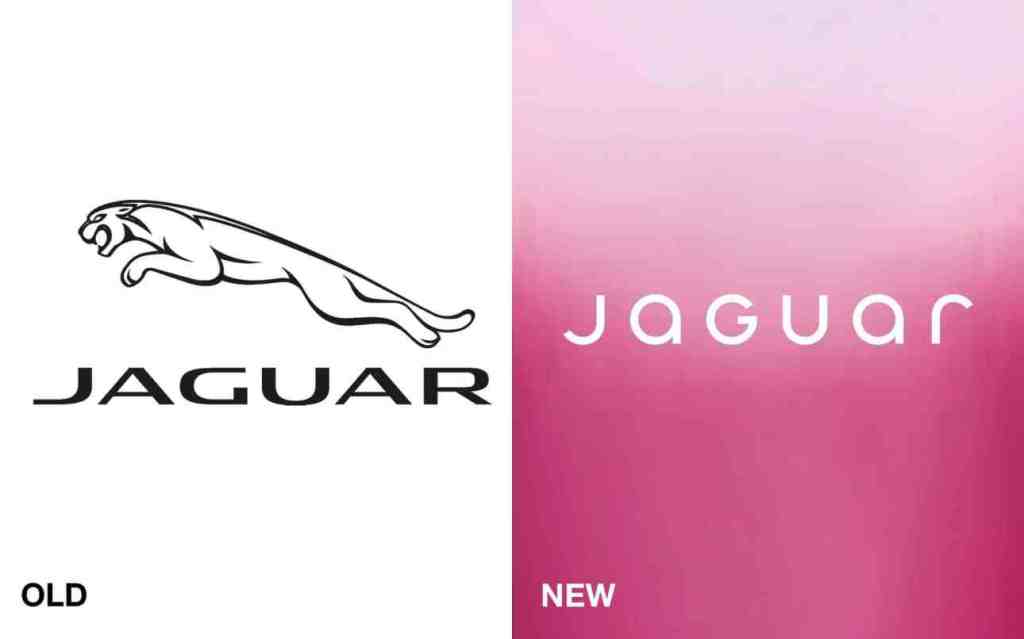
You may have been following the confusing marketing messages coming from the venerable auto maker Jaguar. Its “Copy Nothing” advertising campaign featured androgynous, brightly clad models. Human models, no cars. Heralding its “rebranding” to an all-electric future and upscaling to take on Bentley and Rolls Royce (lowest priced Jag models will cost more than $100,000), Jaguar “reimagined” its logo.
The fact that the brand’s leaping-jaguar logo is one of the most distinctive, recognized identities and hood ornaments in the world was not enough to save it from the marketing director’s floor.
Change Without Clear Purpose Can Insult Existing Customers
You might think that Jaguar, now owned by Indian manufacturing company Tata Motors, would be reluctant to shed such a visible element of its British heritage. To be fair, the Bentley and Rolls Royce brands are controlled by German companies Volkswagen and BMW. But you probably don’t think about that because their marketing folks continue to emphasize their British roots.
When I lived in Michigan, new head coach of the University of Michigan football team Rich Rodriguez got off to a shaky start. He said during a press conference that he was considering removing the iconic winged design on the Wolverines’ helmets. Players would have to earn their wings to get them painted on their helmets. He backed off the controversial proposal quickly when betrayed alums, fans and sports writers expressed their shock and anger.
Their message was clear: Find another way to motivate your players. Leave the helmets alone.
Change is not always a mistake. But ditching or altering a logo, if not executed with extreme care, can be interpreted by existing customers as a lack of understanding of a brand’s history and a lack of respect for past buying decisions. And if the new logo stands for nothing, it will do nothing to attract new customers.
The Jaguar Brand Is in Free Fall
We can’t be sure how intense the rebranding pushback has been on Jaguar management. But worldwide global sales of Jaguars fell 72% in the first quarter of 2025. And just last week the company announced that it was changing advertising agencies and its CEO would be stepping down at year end. For now, Tata’s Jaguar Land Rover PLC financials are being buoyed by robust Range Rover sales and margins. The first new Jaguar EVs are not due in salesrooms until 2026.
So, take a look at the old and new Jaguar logos. What do you think? Is the new mark (on the right) worthy of defeating the champ? My guess is there’s a good chance the new models are undergoing design changes to reintroduce the classic leaping-jaguar hood ornament. Long live the champ.
 Crisis Quotient Blog